


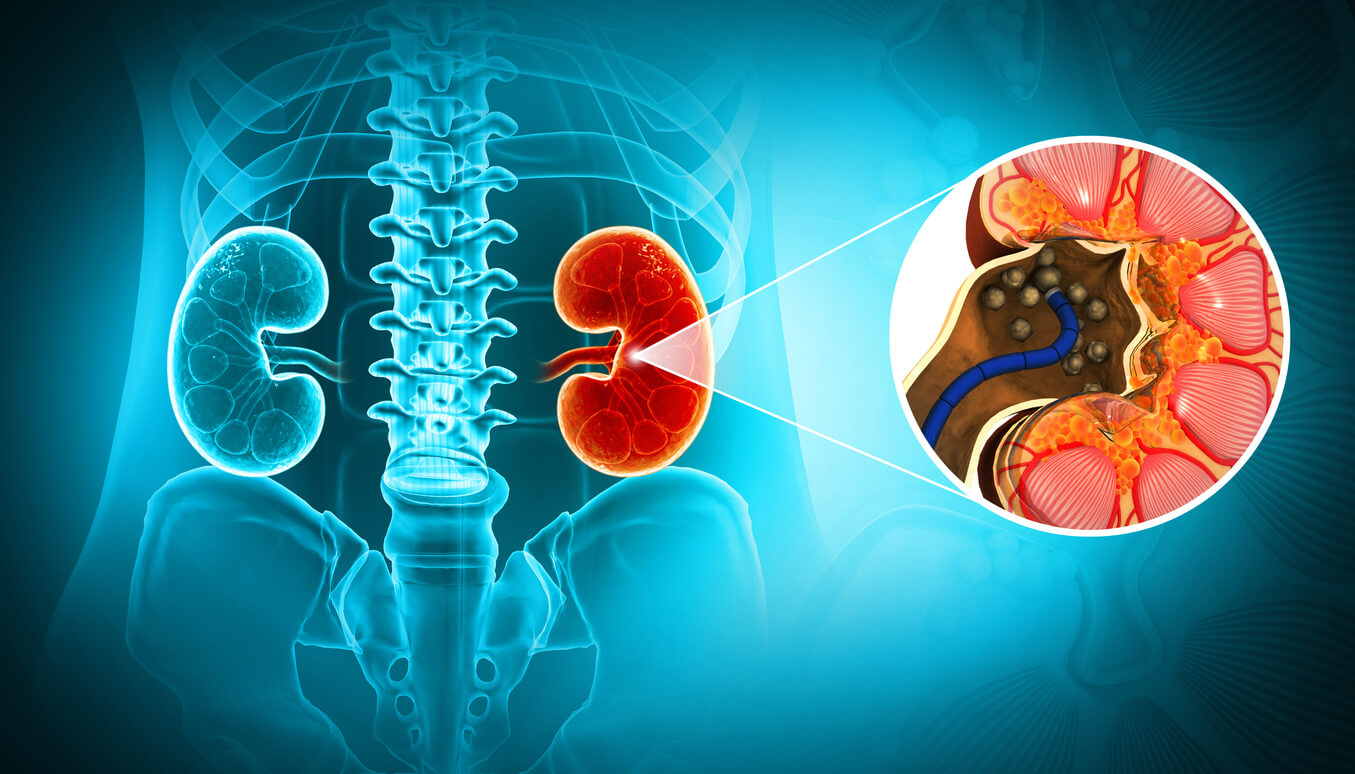
Stone Diseases
Treatment of :
- Kidney stones
- Ureteric stones
- Bladder stones
👉 Procedures:
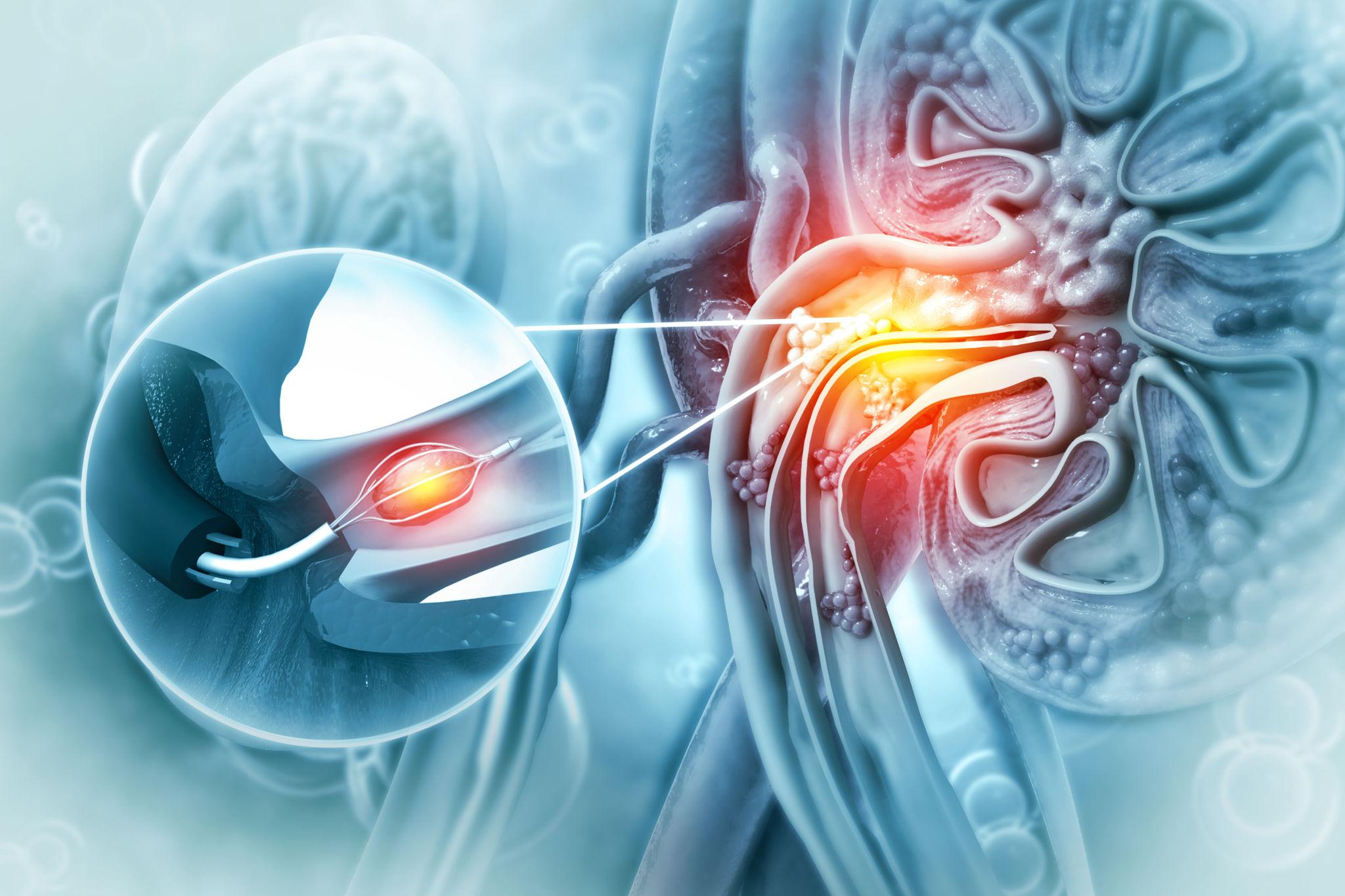
URS (ureteroscopy)
Ureteroscopy (URS) is a minimally invasive procedure used to diagnose and treat stones or abnormalities in the ureter. A thin, flexible scope is passed through the urinary tract to directly visualize the stone. Using advanced instruments, the stone can be fragmented or removed without any external incision. URS is highly effective for ureteric stones and offers quick recovery with minimal discomfort. Patients typically resume normal activities within a short time. This procedure ensures precise treatment while preserving surrounding tissues, making it a safe and reliable option for managing urinary tract stones.
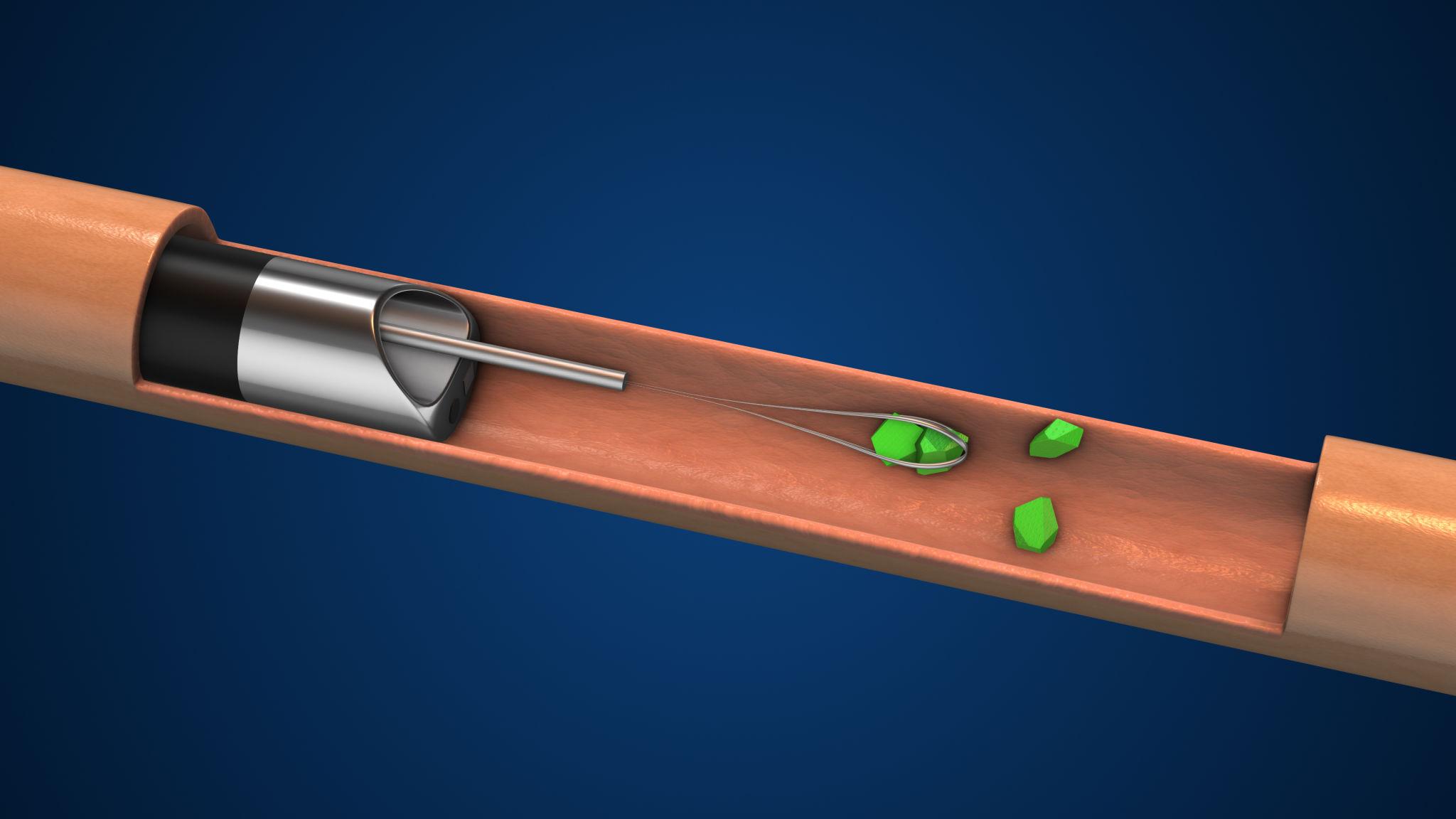
RIRS
RIRS is an advanced endoscopic procedure used to treat kidney stones without any cuts or incisions. A flexible ureteroscope is passed through the natural urinary pathway to reach the kidney. Laser technology is then used to break stones into fine fragments, which are either removed or passed naturally. RIRS is particularly useful for small to medium-sized kidney stones and in patients where other procedures may not be suitable. It offers minimal pain, reduced hospital stay, and faster recovery. This technique ensures effective stone clearance with high precision and safety.
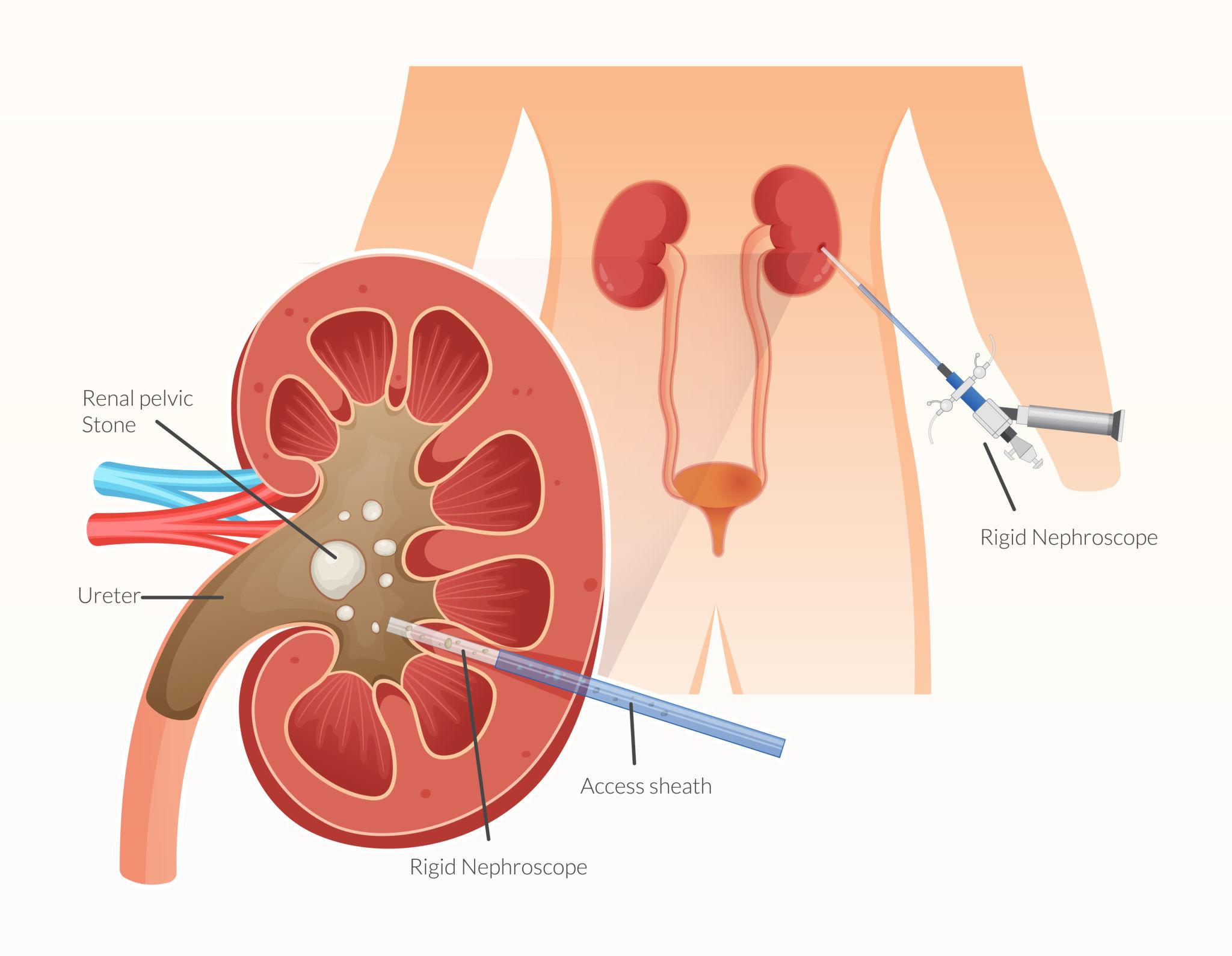
PCNL
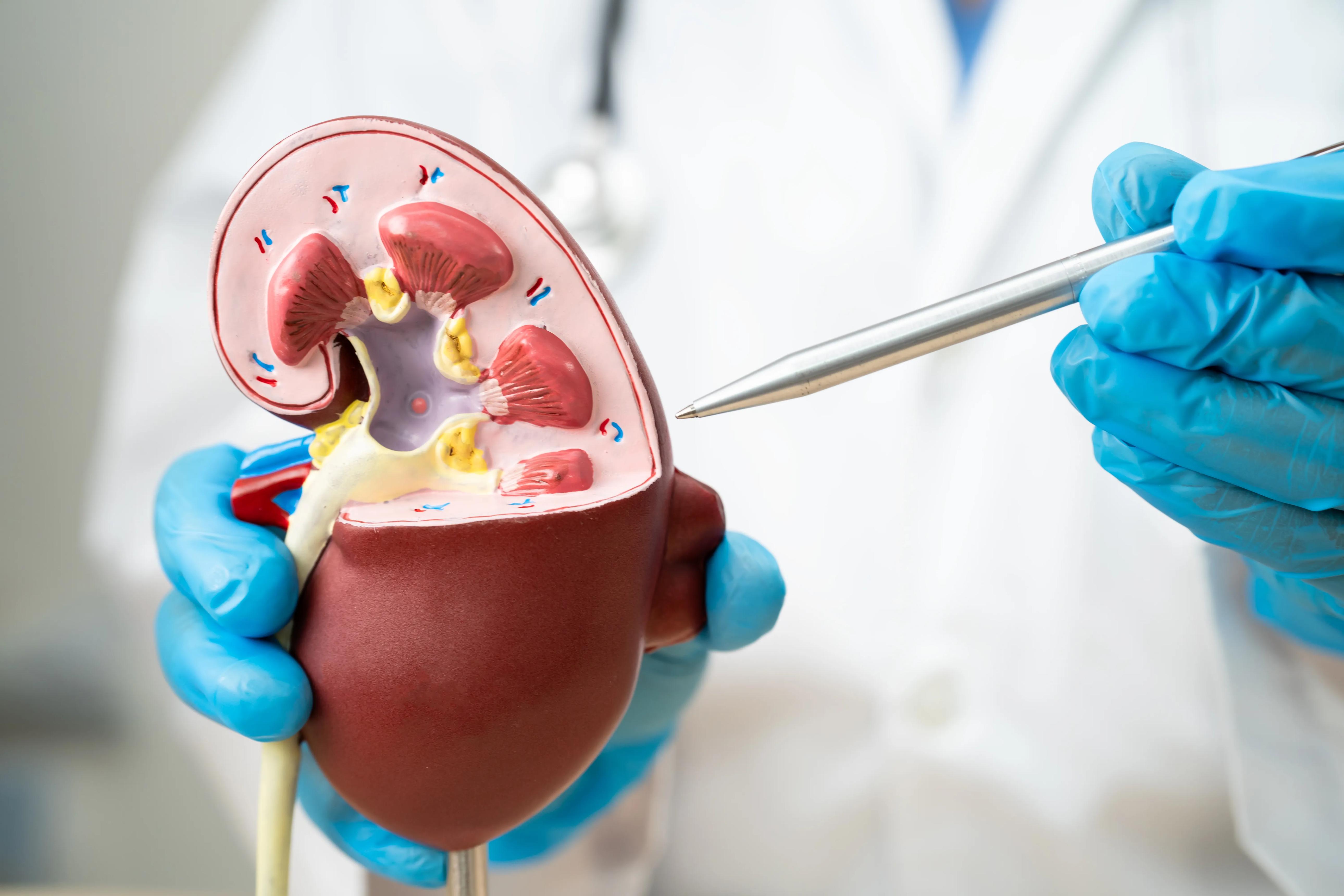
PCNL is a surgical procedure designed to remove large or complex kidney stones. It involves creating a small incision in the back through which a nephroscope is inserted directly into the kidney. Stones are then broken and removed using specialized instruments. PCNL is highly effective for large stone burdens that cannot be treated with simpler methods. Despite being slightly more invasive than other techniques, it offers excellent stone clearance rates. Patients benefit from shorter treatment duration and long-term relief, making it a preferred option for complex kidney stone cases.
Mini PCNL
Mini PCNL is a refined version of traditional PCNL that uses smaller instruments and a reduced tract size to remove kidney stones. This minimally invasive approach leads to less bleeding, reduced pain, and faster recovery compared to standard PCNL. It is particularly suitable for moderate-sized kidney stones and offers high success rates. Patients experience shorter hospital stays and minimal scarring. Mini PCNL combines effectiveness with improved patient comfort, making it an increasingly preferred option in modern stone management.
Laser stone surgery
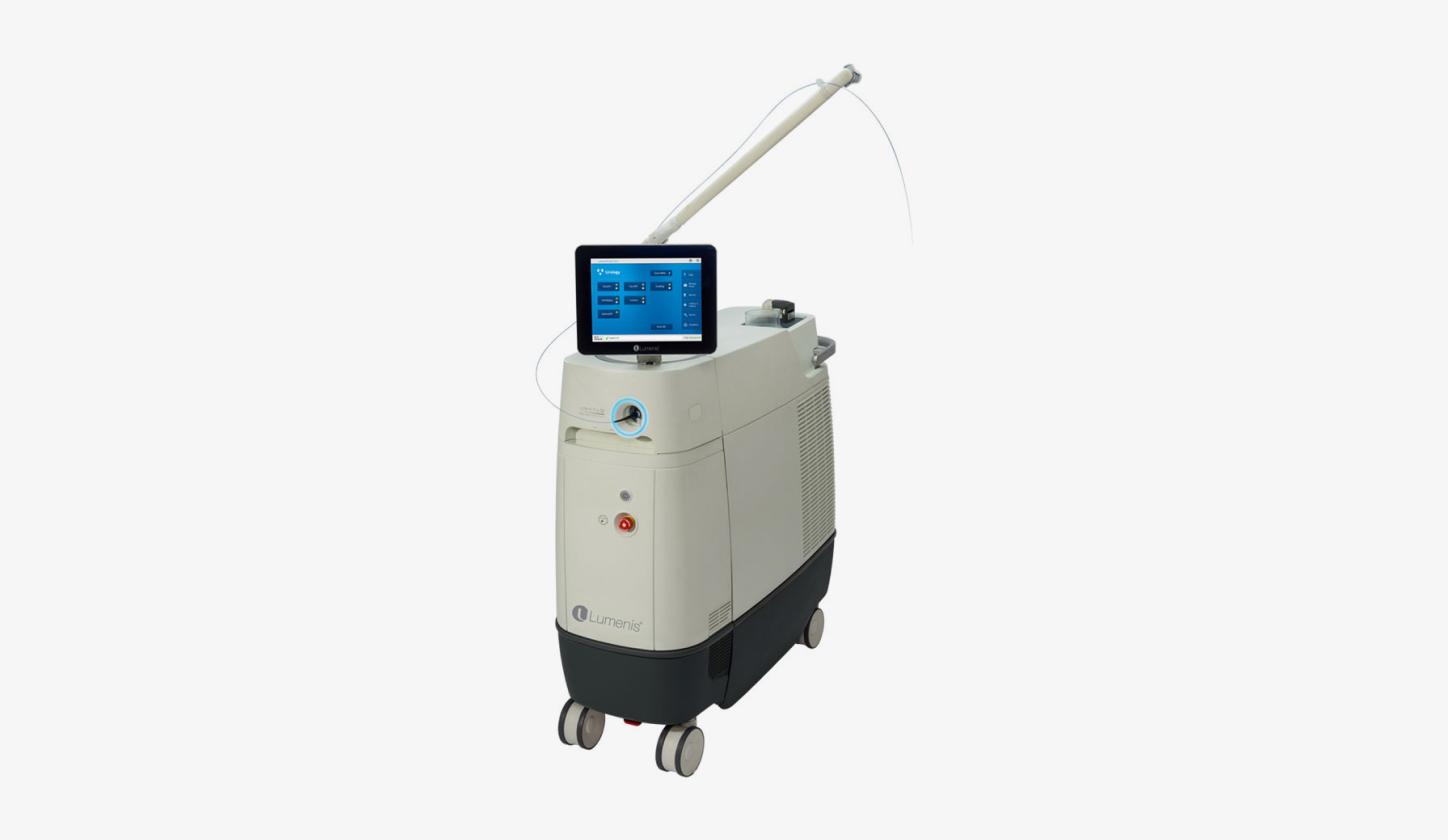
Laser stone surgery is a modern, minimally invasive technique used to treat stones in the kidney, ureter, or bladder. Using advanced laser technology, stones are broken into tiny fragments that can either be removed or passed naturally through urine. This procedure is commonly performed via ureteroscopy or RIRS, without any external cuts. It ensures high precision, minimal tissue damage, and faster recovery. Patients benefit from reduced pain, shorter hospital stays, and a lower risk of complications. Laser technology has significantly improved the safety and effectiveness of stone treatment.
Cystolithotomy
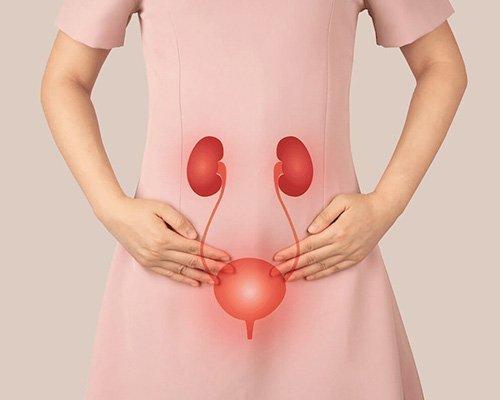
Cystolithotomy is a surgical procedure performed to remove bladder stones that are too large to pass naturally or be treated with less invasive methods. The procedure may be done using an open or minimally invasive approach, depending on the size and complexity of the stone. During the surgery, the stone is carefully removed from the bladder to relieve symptoms such as pain, urinary difficulty, or infections. Advances in surgical techniques have improved recovery time and reduced complications. Cystolithotomy provides effective and long-lasting relief, restoring normal bladder function and patient comfort.