


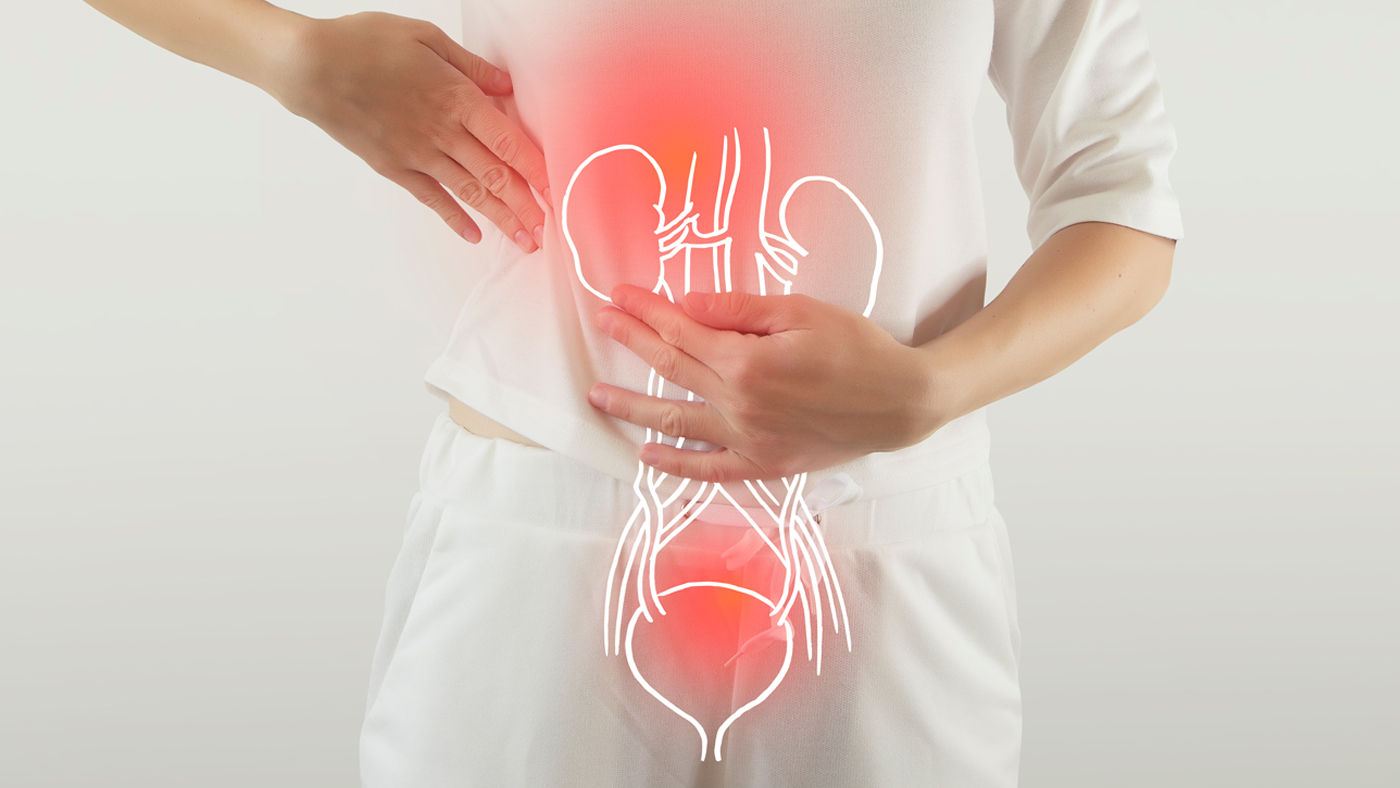
Urinary Problems
Urinary problems can affect both men and women and may include conditions such as urinary tract infections (UTIs), incontinence, overactive bladder, and urinary retention. These issues can significantly impact daily life and overall well-being if not addressed properly. Symptoms often include frequent urination, urgency, pain or burning sensation, leakage, or difficulty in passing urine. Diagnosis involves clinical evaluation, urine tests, imaging, and sometimes specialized studies to assess bladder function.
Treatment depends on the underlying cause and may include medications, lifestyle changes, pelvic floor exercises, or minimally invasive procedures. In more complex cases, surgical intervention may be required. Early diagnosis and proper management are key to preventing complications and improving quality of life. A patient-centered approach ensures effective and comfortable treatment tailored to individual needs.
Treatment of :
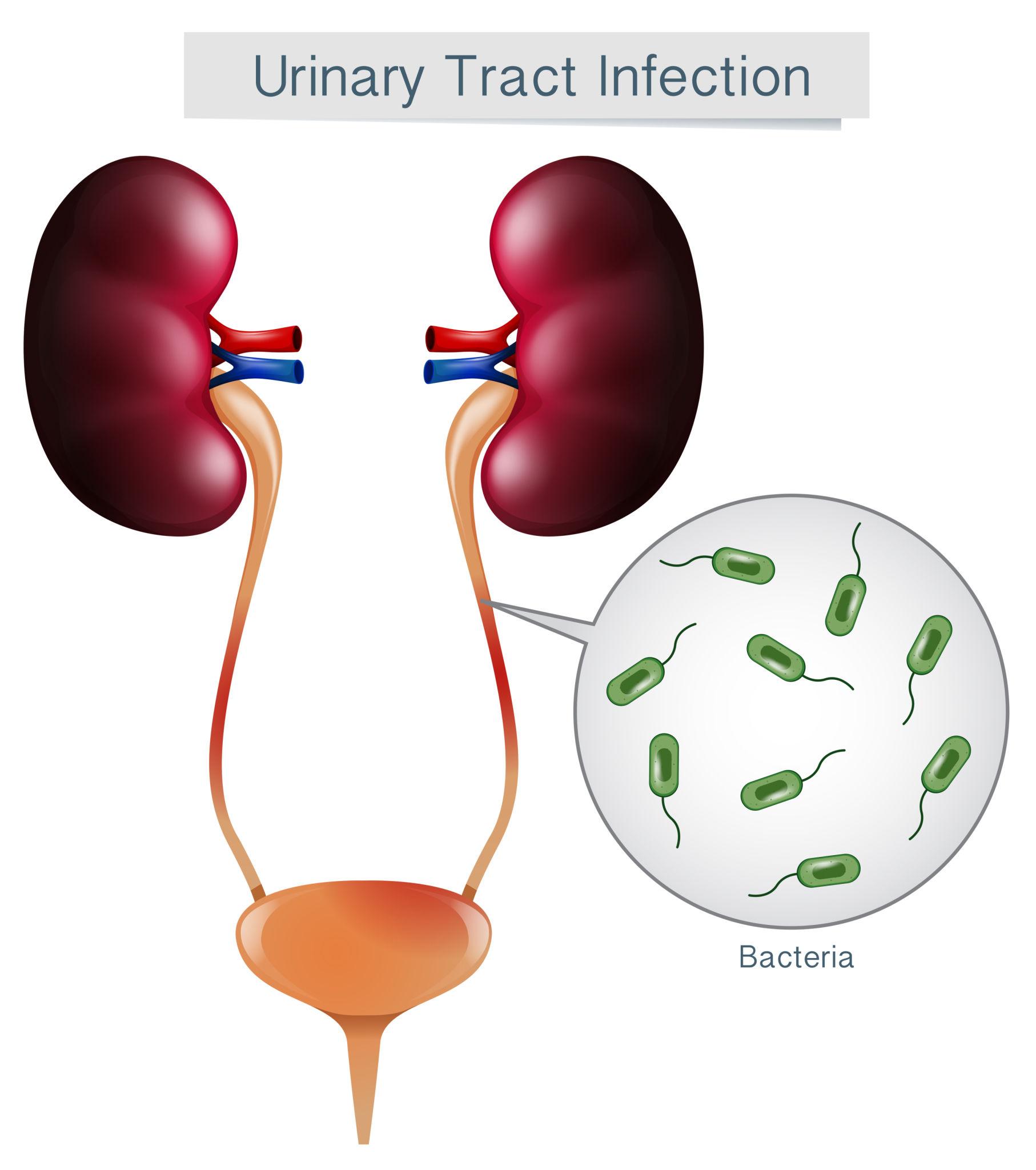
Urinary tract infections (UTI)
Urinary tract infections (UTIs) are common conditions affecting the bladder, urethra, or kidneys, often presenting with symptoms such as burning urination, frequent urge to urinate, and lower abdominal discomfort. Diagnosis is confirmed through urine analysis and culture to identify the causative organism. Treatment typically involves targeted antibiotics, hydration, and supportive care. In recurrent or complicated cases, further evaluation may be required to identify underlying causes. Early and appropriate treatment helps prevent complications and ensures complete recovery, restoring normal urinary function and patient comfort.
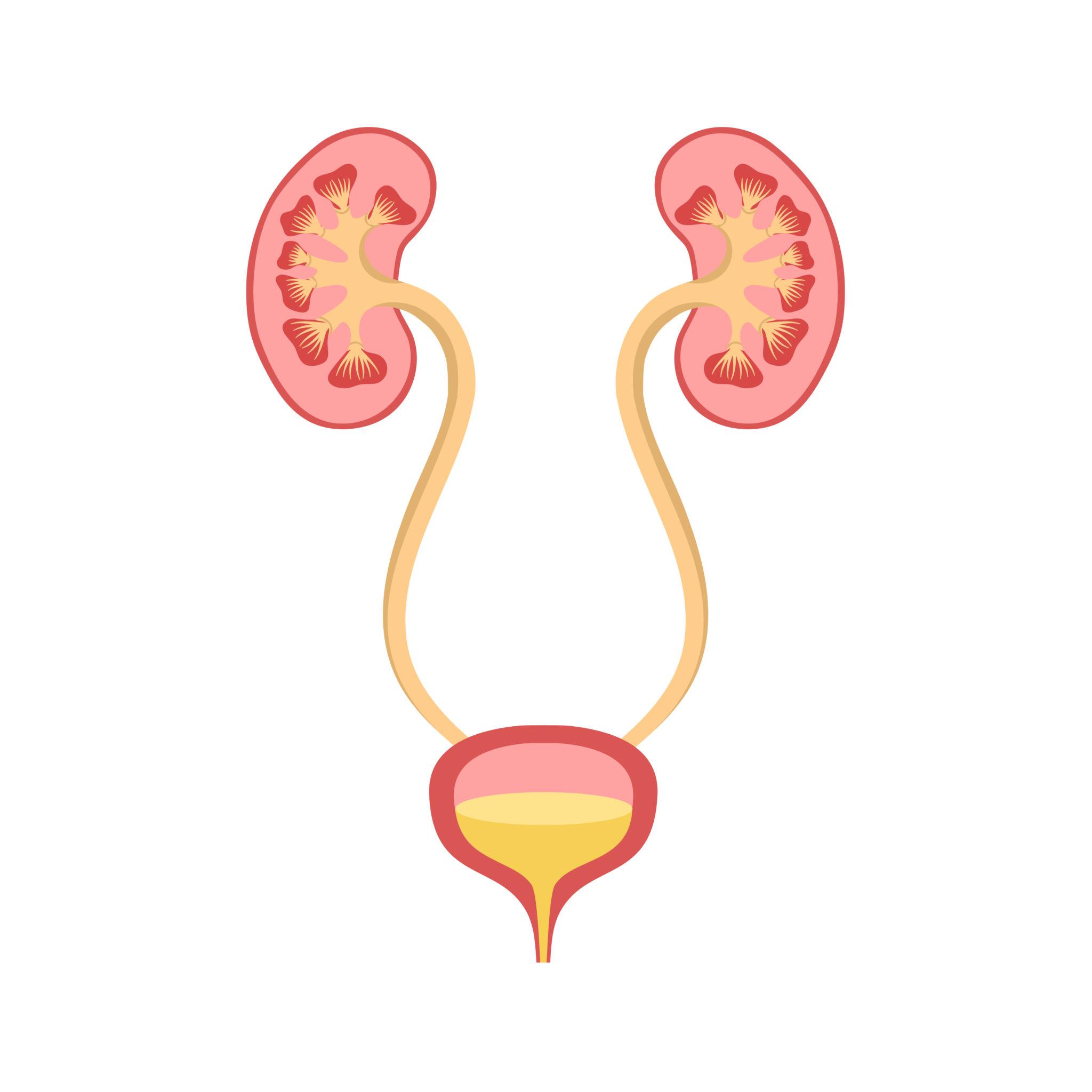
Urinary incontinence
Urinary incontinence, the involuntary leakage of urine, can significantly impact daily life and confidence. It may result from weakened pelvic muscles, nerve issues, or underlying medical conditions. Diagnosis involves clinical evaluation, bladder studies, and imaging if required. Treatment is tailored to the cause and severity, ranging from lifestyle modifications and pelvic floor exercises to medications and advanced surgical procedures. Minimally invasive techniques are often used to restore bladder control effectively. The goal is to improve continence, enhance quality of life, and help patients regain confidence and independence.
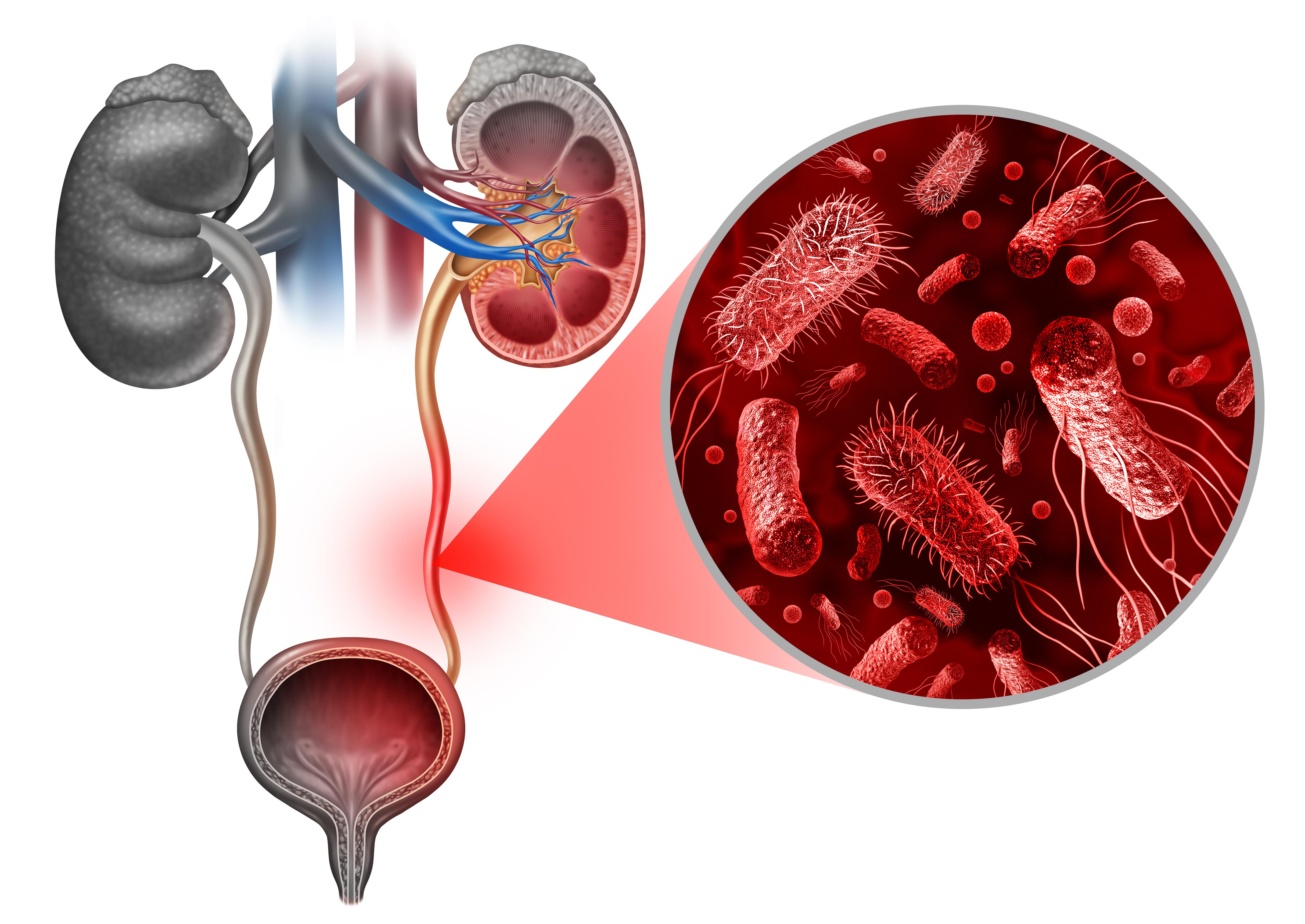
Stricture urethra (endoscopic surgery , reconstructive urethroplasty)
Urethral stricture is a narrowing of the urethra that restricts urine flow, leading to symptoms such as weak stream, difficulty urinating, and recurrent infections. Diagnosis is done through imaging and endoscopic evaluation. Treatment options include endoscopic procedures like internal urethrotomy for short strictures and reconstructive urethroplasty for more complex or recurrent cases. Urethroplasty is a highly effective surgical reconstruction that provides long-term relief. Advanced techniques ensure precision, minimal complications, and improved urinary function. Early intervention helps restore normal flow and prevents further complications.