


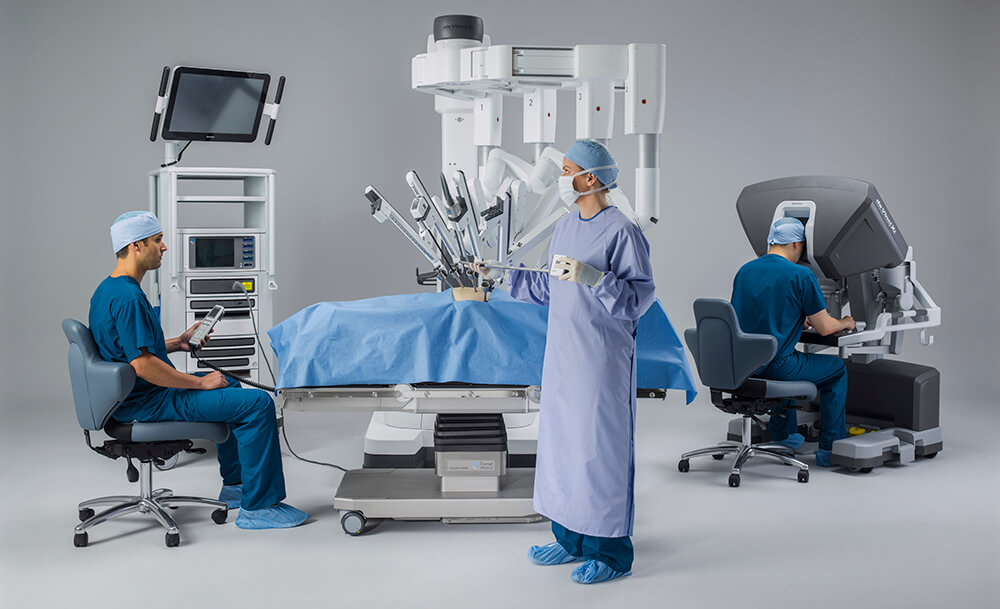
Robotic & Minimally Invasive Surgery
We specialize in advanced surgical techniques using Robotic platforms for :
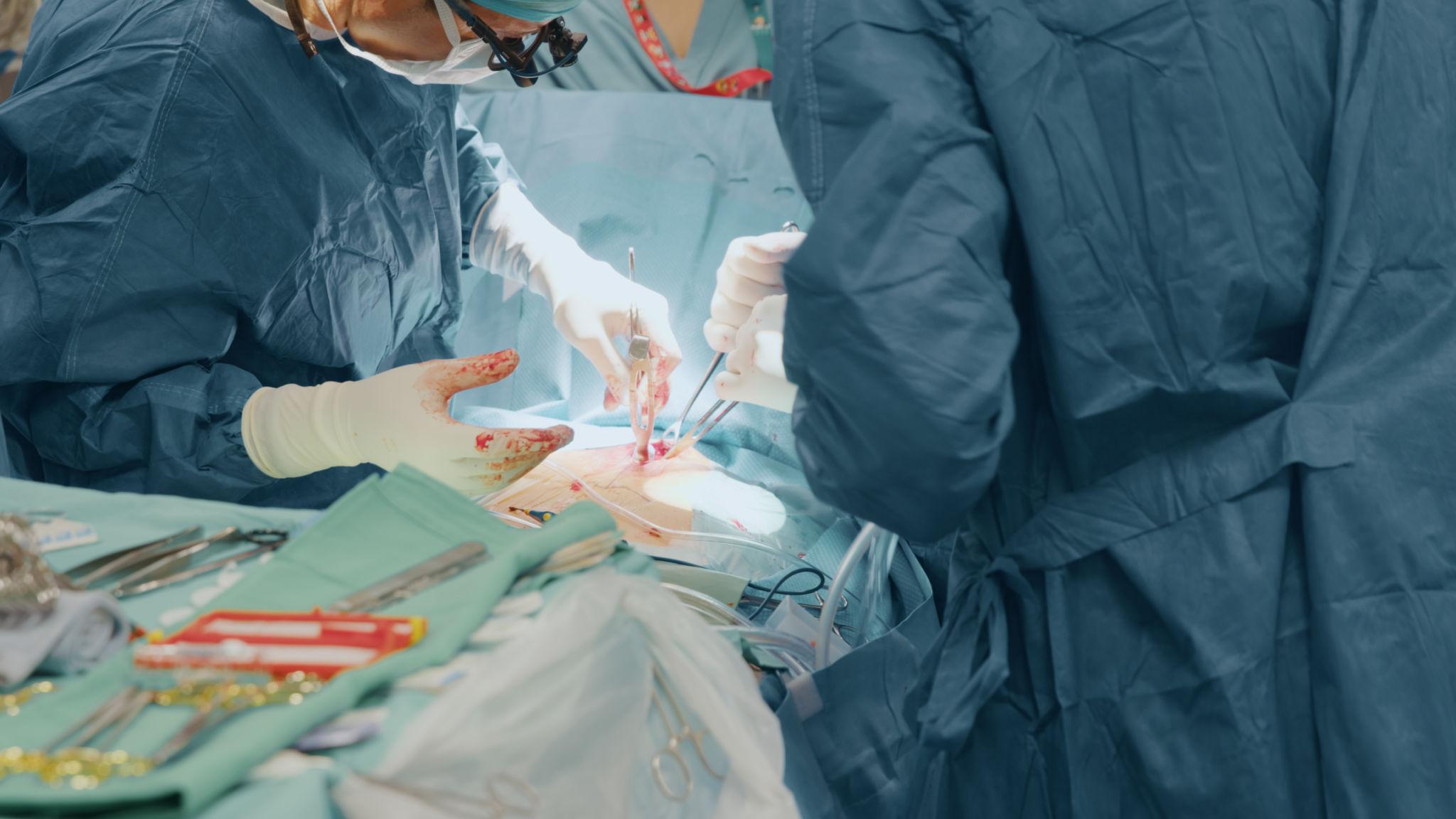
Radical prostatectomy
Radical prostatectomy is a surgical procedure performed to remove the entire prostate gland, typically for treating prostate cancer. Using advanced robotic or minimally invasive techniques, the surgery allows for greater precision, reduced blood loss, and faster recovery. The procedure also focuses on preserving surrounding nerves to maintain urinary control and sexual function whenever possible. Patients benefit from smaller incisions, less post-operative discomfort, and shorter hospital stays. This approach ensures effective cancer removal while prioritizing quality of life, making it a preferred option for eligible patients diagnosed with localized or advanced prostate cancer.
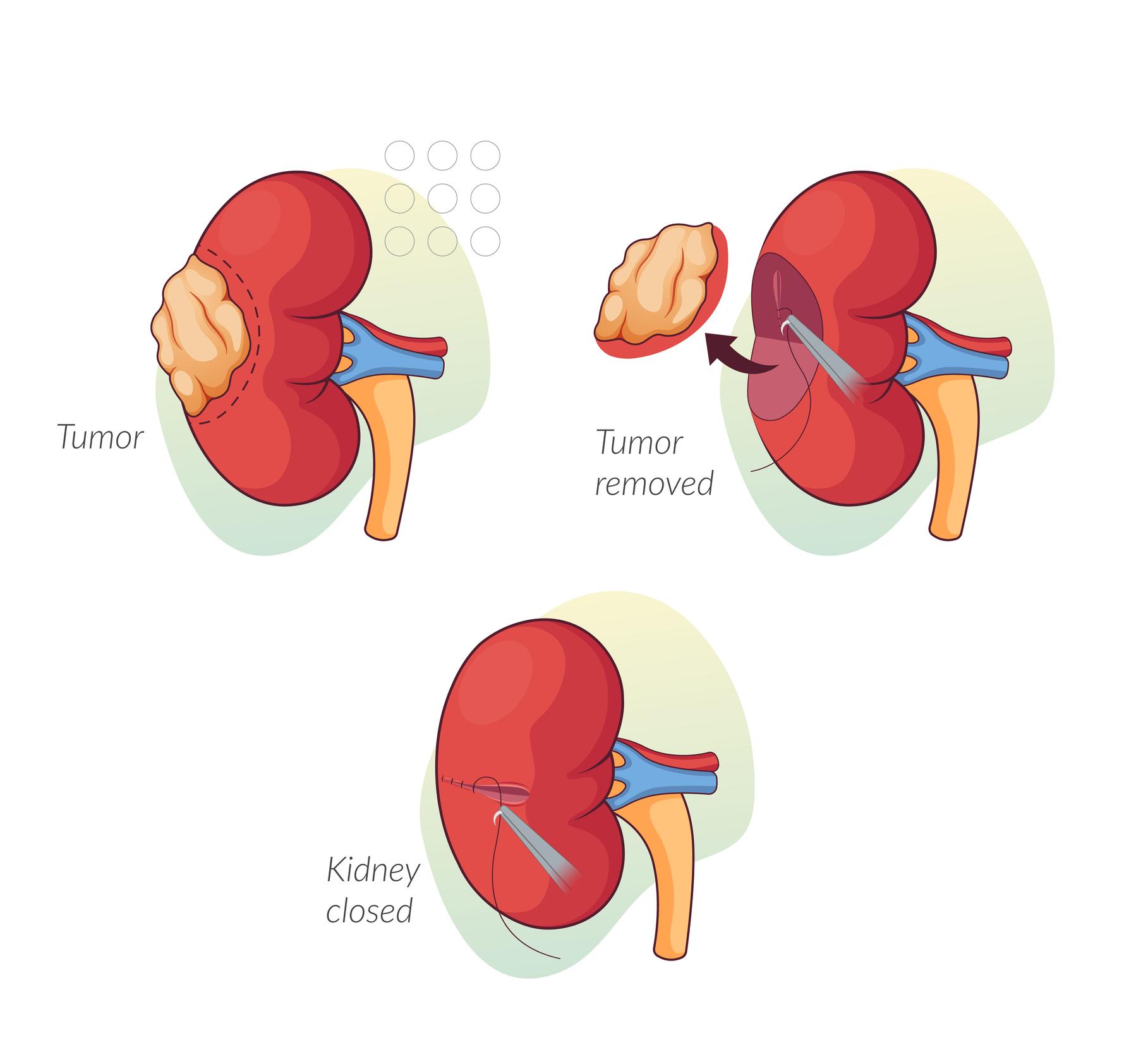
Partial and radical nephrectomy
Partial and radical nephrectomy are surgical procedures used to treat kidney tumors and other renal conditions. In partial nephrectomy, only the diseased portion of the kidney is removed, preserving healthy tissue and maintaining kidney function. Radical nephrectomy involves removal of the entire kidney when necessary. These procedures are often performed using laparoscopic or robotic techniques, ensuring precision and minimal invasiveness. Patients experience reduced pain, shorter recovery time, and minimal scarring. The goal is to effectively treat the condition while preserving as much kidney function as possible, ensuring long-term health and improved outcomes.
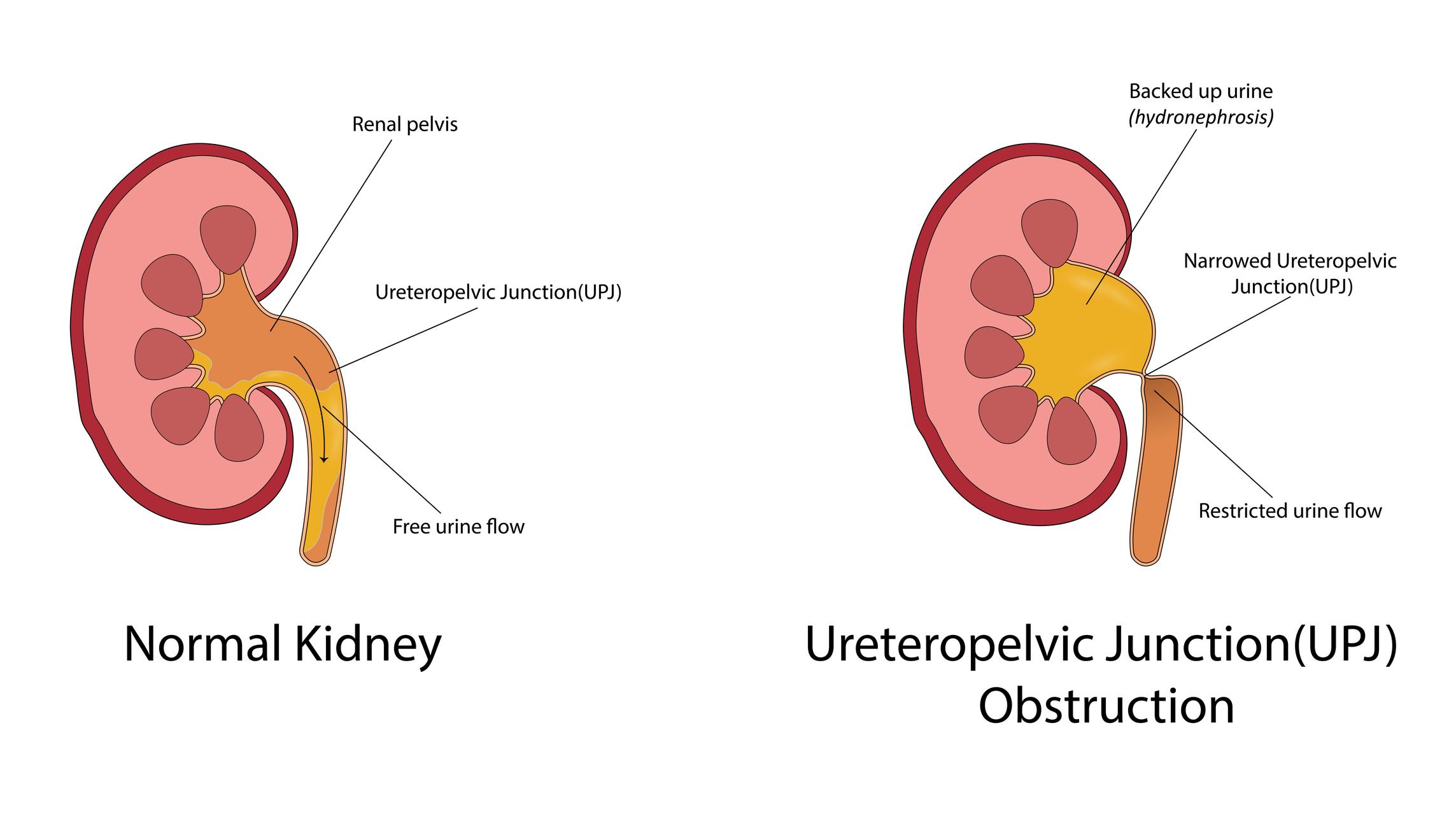
Pyeloplasty
Pyeloplasty is a reconstructive surgical procedure performed to correct a blockage at the junction of the kidney and ureter, known as ureteropelvic junction (UPJ) obstruction. This condition can cause pain, infections, or kidney damage if left untreated. Using advanced laparoscopic or robotic techniques, the surgeon removes the obstructed segment and reconnects the healthy parts to restore normal urine flow. The minimally invasive approach ensures smaller incisions, reduced pain, and quicker recovery. Pyeloplasty offers high success rates and helps preserve kidney function, significantly improving the patient’s quality of life.

Cystectomy
Cystectomy is a surgical procedure involving the removal of the urinary bladder, most commonly performed to treat bladder cancer. Depending on the condition, it may be partial or radical, with radical cystectomy also involving removal of surrounding tissues or organs. Advanced robotic or laparoscopic techniques enhance surgical precision and reduce recovery time. Following the procedure, urinary diversion is created to allow urine to exit the body. Patients benefit from less blood loss, shorter hospital stays, and improved post-operative comfort. The goal is to effectively eliminate disease while maintaining the best possible quality of life.
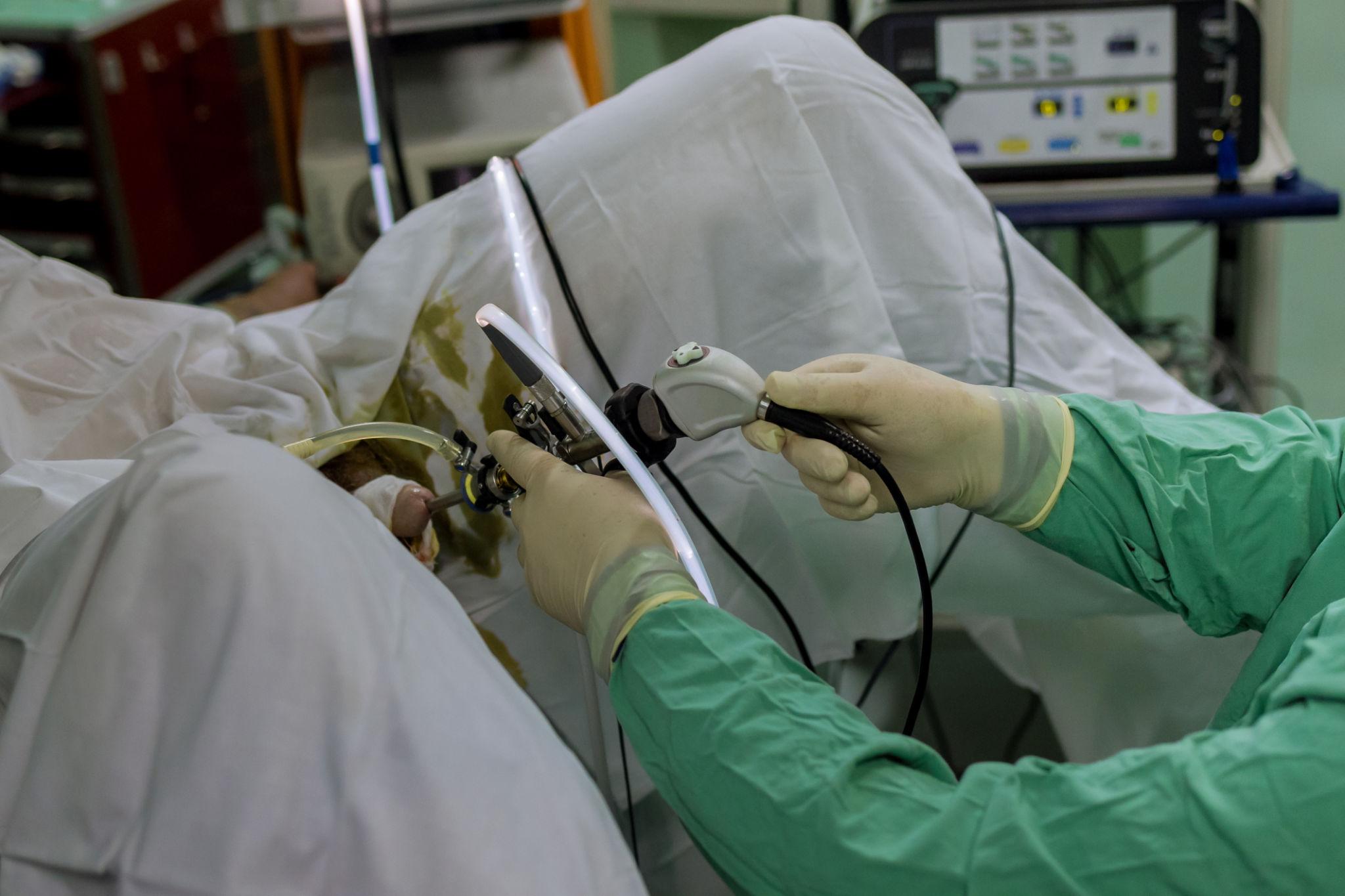
VEIL (video endoscopic inguinal Lymph adenectomy )
VEIL is a minimally invasive surgical technique used to remove lymph nodes from the inguinal (groin) region, often for cancers such as penile cancer. Performed using endoscopic technology, this procedure avoids large incisions and significantly reduces complications like wound infections and delayed healing. The camera-guided approach allows surgeons to precisely remove affected lymph nodes while preserving surrounding tissues. Patients benefit from smaller scars, less pain, and quicker recovery compared to traditional open surgery. VEIL represents a modern, patient-friendly approach to cancer management with improved surgical outcomes.
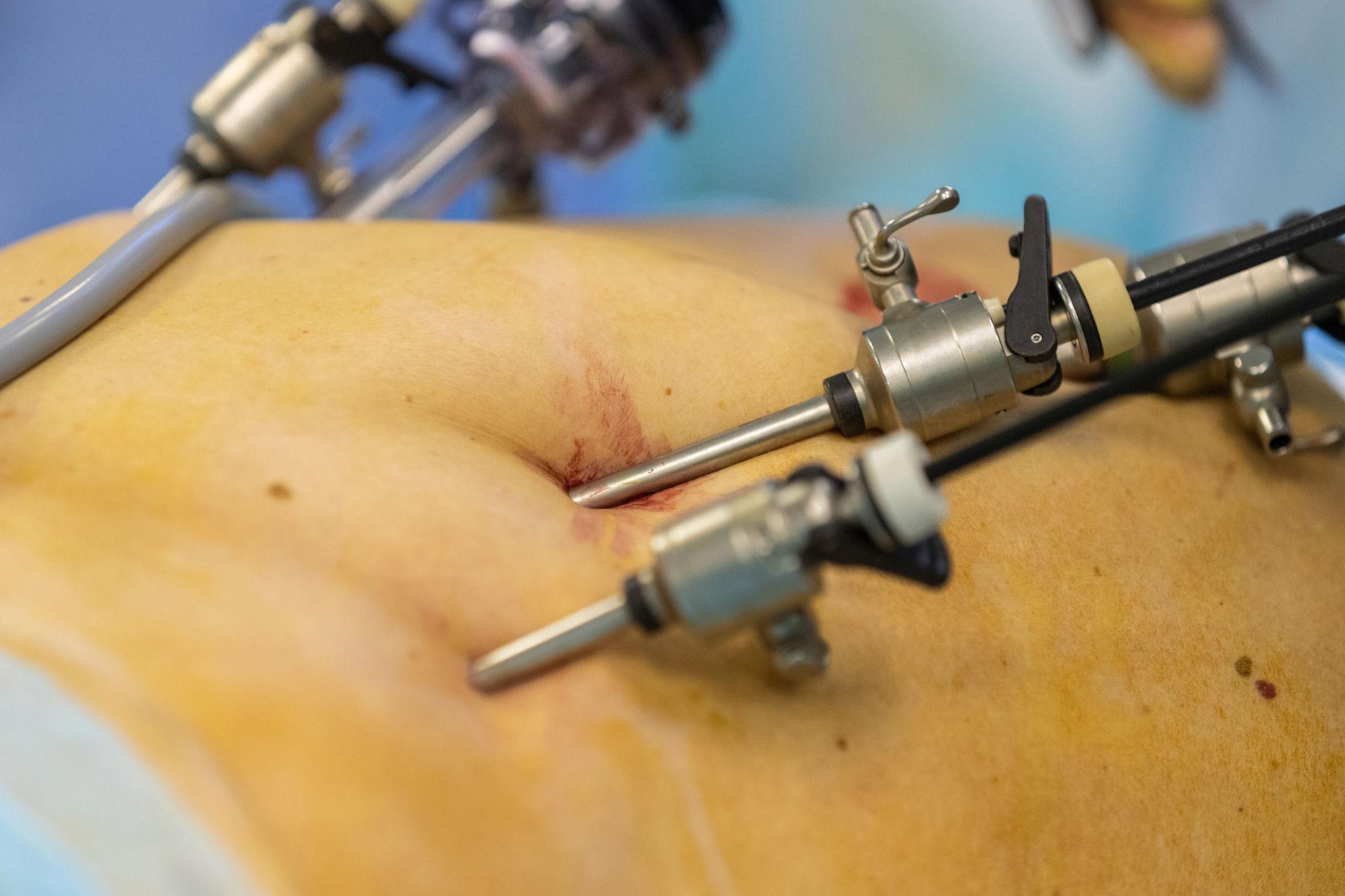
Laparoscopic RP
Laparoscopic radical prostatectomy is a minimally invasive surgery to remove the prostate gland using small incisions and specialized instruments. This approach offers enhanced visualization and precision, helping surgeons preserve vital structures such as nerves responsible for urinary control and sexual function. Compared to open surgery, laparoscopic RP results in less blood loss, reduced pain, and faster recovery. Patients typically experience shorter hospital stays and quicker return to daily activities. It is an effective treatment for prostate cancer, combining advanced technology with improved patient comfort and outcomes.
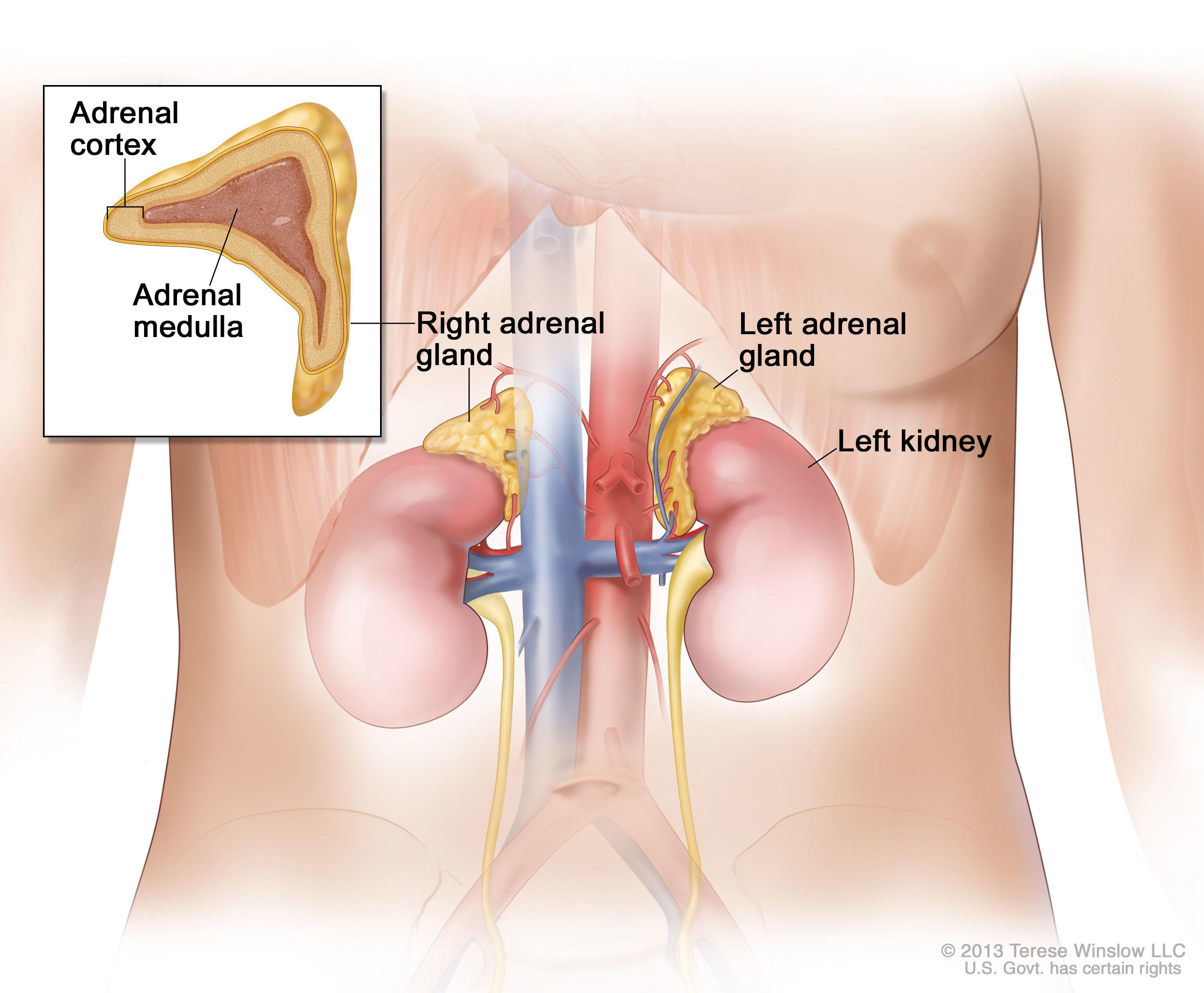
Laparoscopic partial and radical nephrectomy
These minimally invasive procedures are performed to treat kidney diseases, including tumors. In laparoscopic partial nephrectomy, only the affected portion of the kidney is removed, preserving healthy tissue. Radical nephrectomy involves complete removal of the kidney when required. Using small incisions and advanced instruments, surgeons achieve high precision with minimal trauma. Patients benefit from reduced post-operative pain, faster healing, and shorter hospital stays. This approach ensures effective disease management while prioritizing kidney function preservation and overall patient well-being.
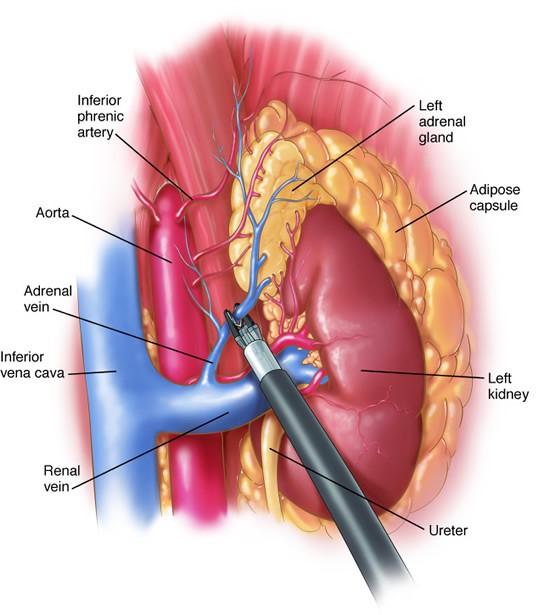
Laparoscopic adrenalectomy
Laparoscopic adrenalectomy is a minimally invasive surgery performed to remove one or both adrenal glands, often due to tumors or hormonal disorders. The procedure is carried out using small incisions and a camera-guided system, allowing for precise removal with minimal disruption to surrounding tissues. Compared to traditional open surgery, patients experience less pain, quicker recovery, and minimal scarring. This technique is highly effective in treating conditions such as adrenal tumors, Cushing’s syndrome, and pheochromocytoma. It ensures safe and efficient outcomes while enhancing patient comfort.
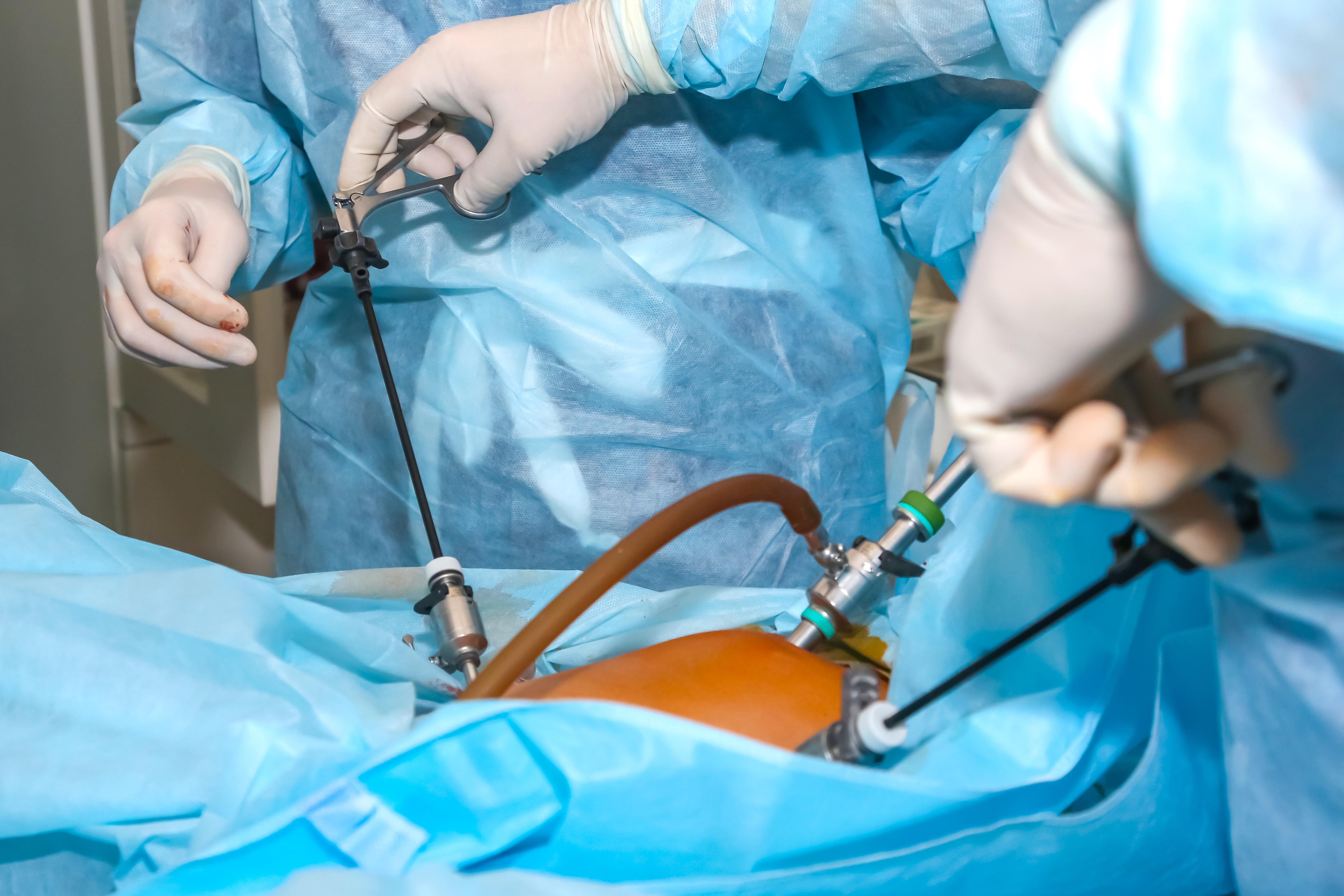
Laparoscopic pyeloplasty ,ureteric re implantation
Laparoscopic pyeloplasty and ureteric reimplantation are reconstructive procedures aimed at correcting urinary tract obstructions or abnormalities. Pyeloplasty addresses blockages at the kidney-ureter junction, while ureteric reimplantation corrects issues in the lower ureter, often due to reflux or injury. These procedures are performed using minimally invasive techniques, ensuring precise reconstruction with smaller incisions. Patients benefit from reduced pain, faster recovery, and improved kidney function. The approach offers excellent success rates and long-term relief from symptoms, making it a preferred treatment option.
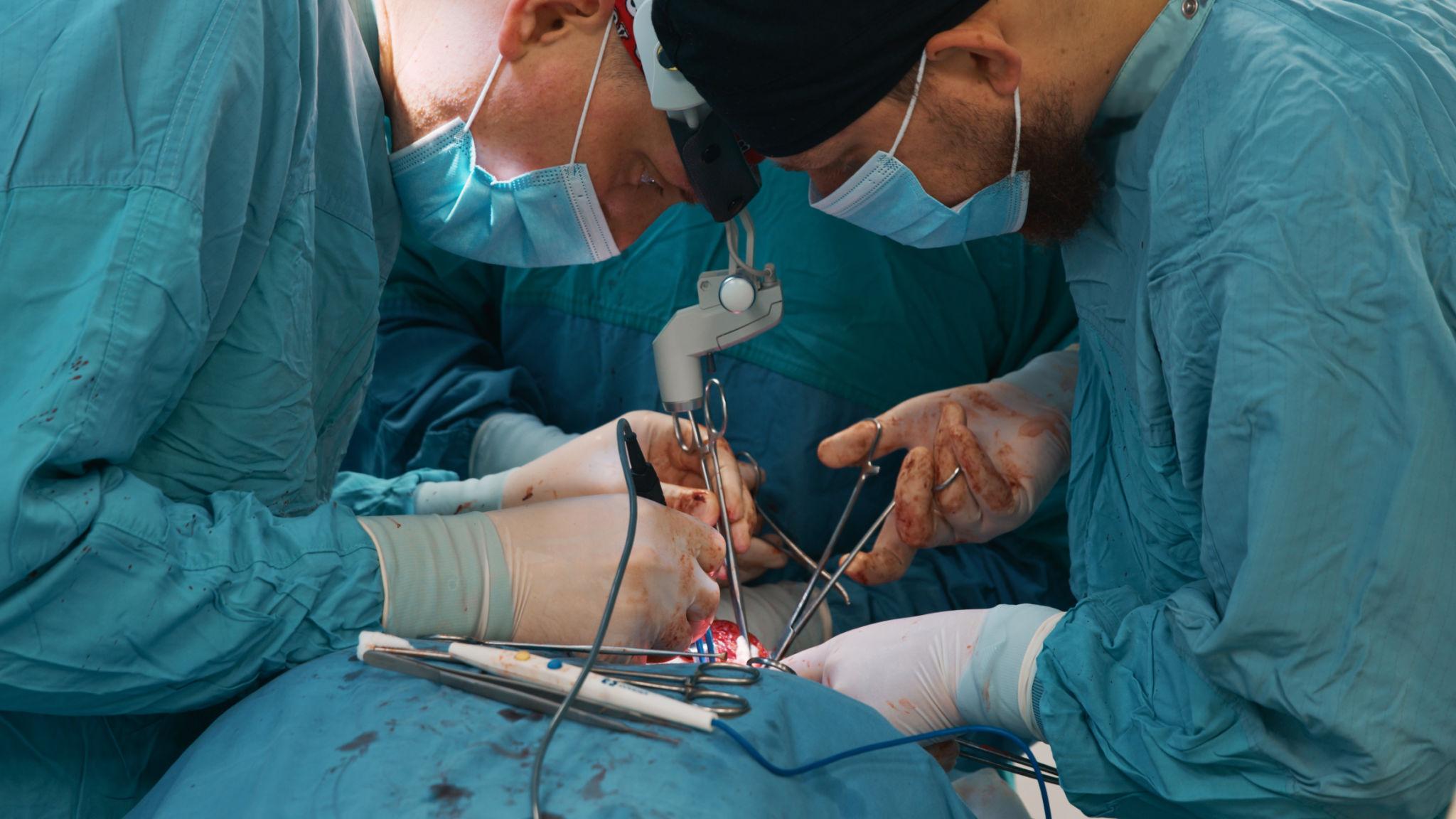
Laparoscopic VEIL
Laparoscopic VEIL is an advanced minimally invasive technique used to remove inguinal lymph nodes with enhanced precision and minimal tissue damage. By utilizing laparoscopic instruments and camera guidance, surgeons can perform the procedure through small incisions, reducing complications associated with open surgery. Patients experience less post-operative pain, quicker healing, and improved cosmetic outcomes. This technique is particularly beneficial in managing cancers requiring lymph node dissection, offering effective results with reduced morbidity. It represents a significant advancement in modern surgical oncology.
👉 Benefits:
- Smaller incisions
- Faster recovery
- Less pain and blood loss