


Uro-Oncology
Diagnosis and treatments of:
Prostate cancer
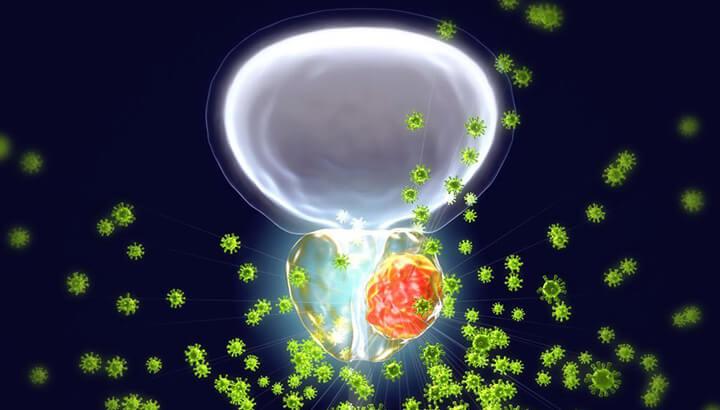
Prostate cancer is one of the most common cancers in men, often detected early through screening tests such as PSA (Prostate-Specific Antigen) and digital rectal examination. Advanced imaging and biopsy confirm the diagnosis and determine the stage of the disease. Treatment options vary depending on the severity and may include active surveillance, robotic or laparoscopic radical prostatectomy, radiation therapy, and hormone therapy. Minimally invasive surgical techniques help ensure precision, faster recovery, and preservation of urinary and sexual function. Early detection and personalized treatment planning play a vital role in achieving excellent long-term outcomes.

Bladder cancer
Bladder cancer typically presents with symptoms like blood in urine and urinary discomfort. Diagnosis involves urine tests, cystoscopy, imaging, and biopsy to determine the extent of the disease. Treatment options range from minimally invasive procedures like transurethral resection of bladder tumor (TURBT) to advanced surgeries such as partial or radical cystectomy. In certain cases, chemotherapy, immunotherapy, or intravesical therapy may be recommended. Robotic and laparoscopic approaches enhance surgical precision and recovery. A tailored treatment plan ensures effective cancer control while maintaining urinary function and improving the patient’s quality of life.
Kidney cancer
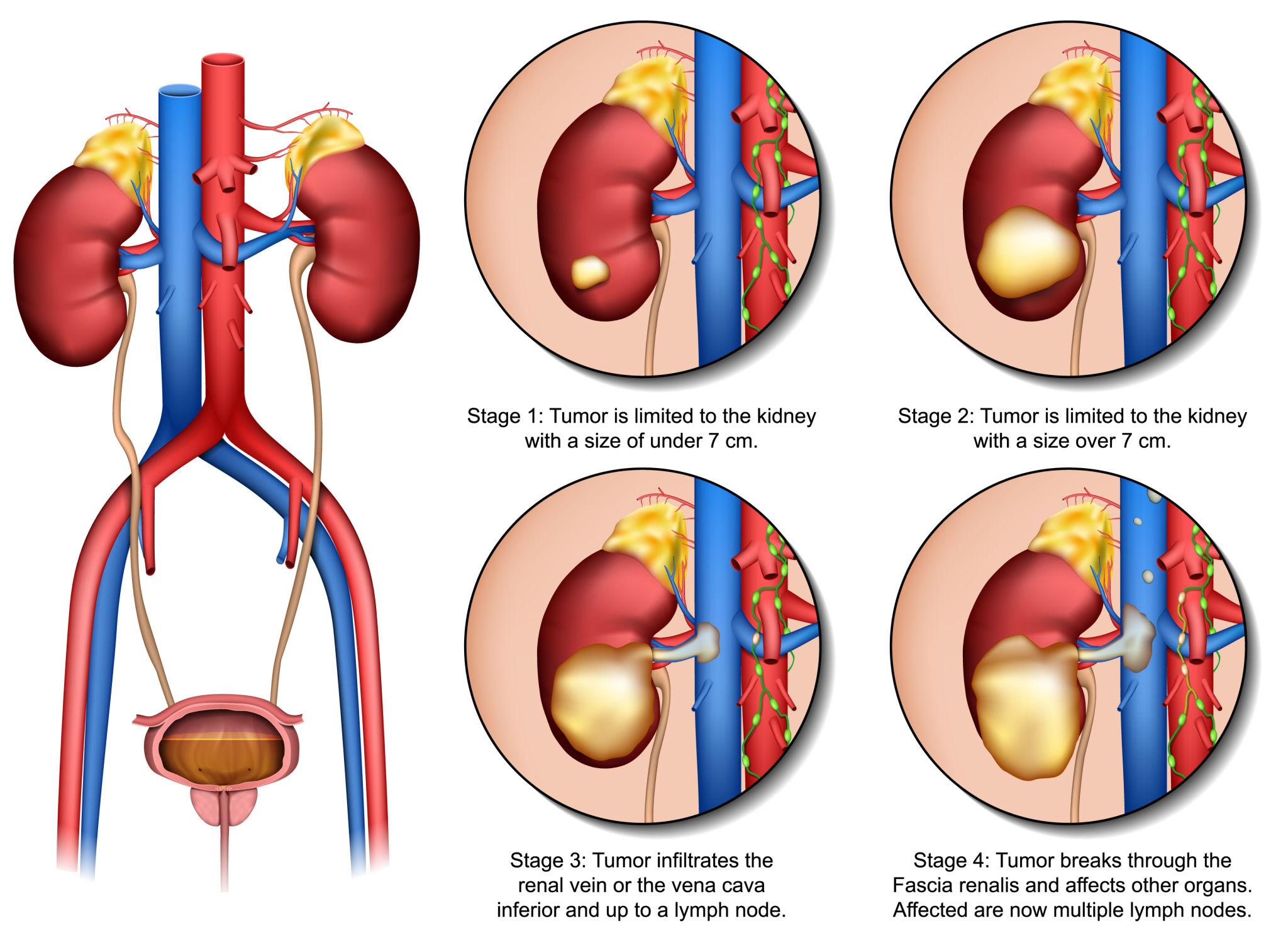
Kidney cancer is often detected incidentally during imaging studies such as ultrasound or CT scans. Once diagnosed, staging helps guide treatment decisions. Surgical removal remains the primary treatment, with options including partial nephrectomy to preserve kidney function or radical nephrectomy for advanced cases. These procedures are commonly performed using laparoscopic or robotic techniques for minimal invasiveness. In selected cases, targeted therapy or immunotherapy may also be used. Early detection and advanced surgical approaches provide high success rates, allowing patients to maintain good kidney function and overall health.
Testicular cancer
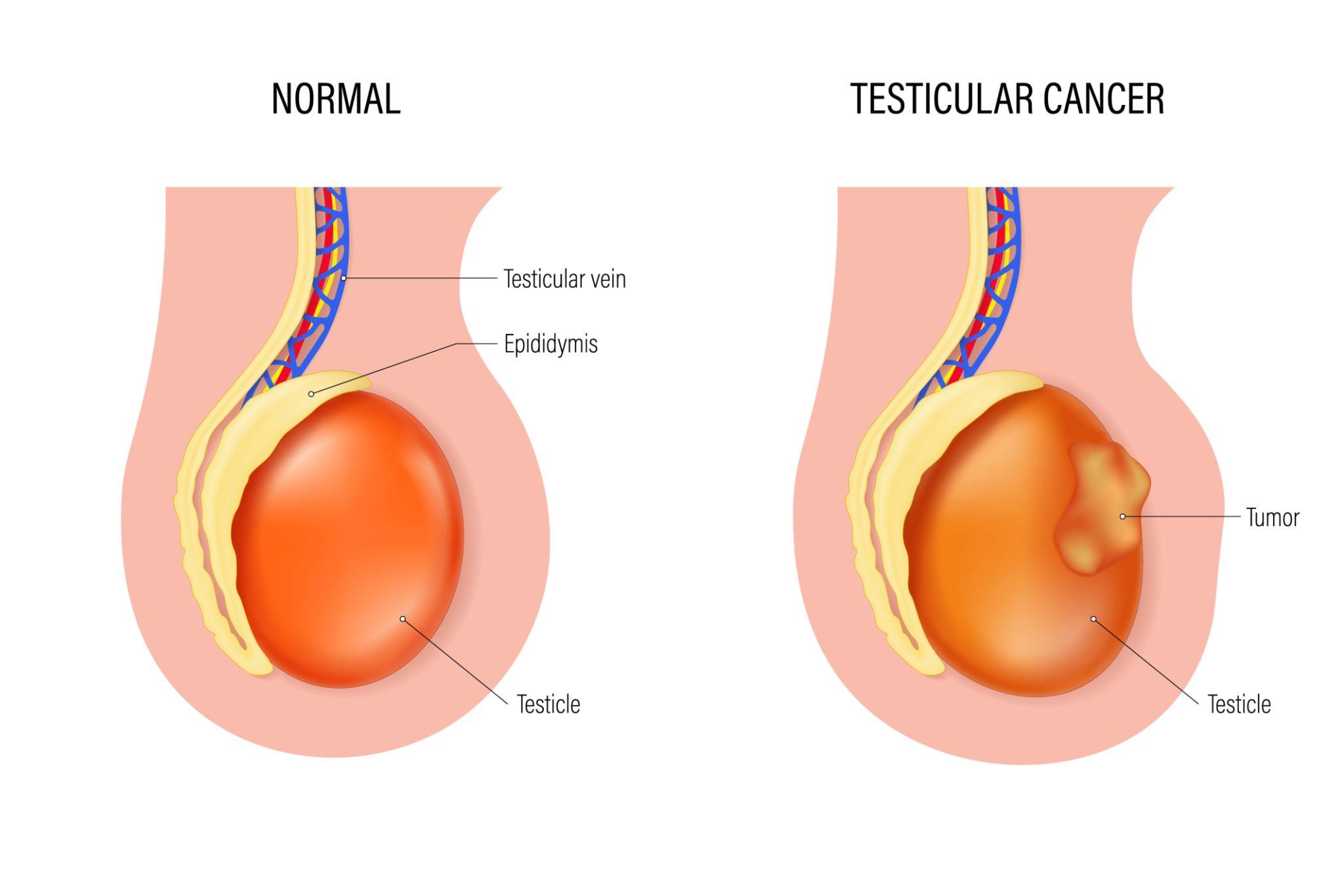
Testicular cancer is highly treatable, especially when detected early. It is usually identified through physical examination, ultrasound, and tumor marker blood tests. The primary treatment involves surgical removal of the affected testicle (orchiectomy), followed by further therapy such as chemotherapy, radiation, or surveillance depending on the stage. Minimally invasive techniques and precise diagnosis ensure effective management with excellent cure rates. Patients are also guided regarding fertility preservation and long-term follow-up. With timely intervention, most patients achieve complete recovery and lead normal, healthy lives.
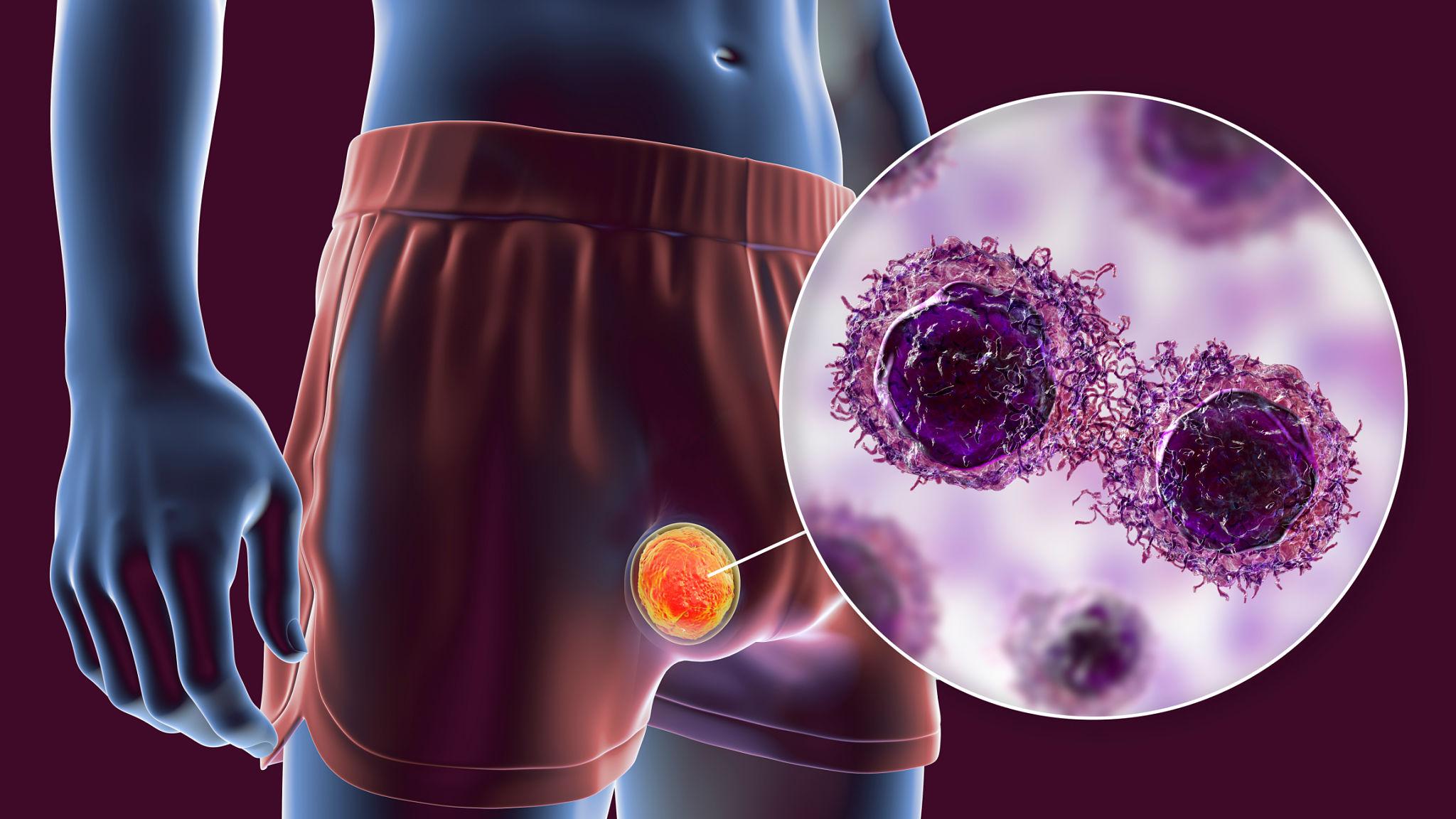
Penile cancer
Penile cancer is a rare condition that requires early diagnosis for optimal outcomes. Symptoms may include lesions, ulcers, or changes in the skin of the penis. Diagnosis is confirmed through clinical examination and biopsy, along with imaging to assess spread. Treatment depends on the stage and may involve organ-preserving surgery, partial or total penectomy, and lymph node removal, including minimally invasive techniques like VEIL. Additional treatments such as chemotherapy or radiation may be recommended. A multidisciplinary approach ensures effective disease control while preserving function and quality of life whenever possible.
👉 Treatments include:
- Robotic and laparoscopic cancer surgery
- Chemotherapy coordination
- Long-term cancer follow-up